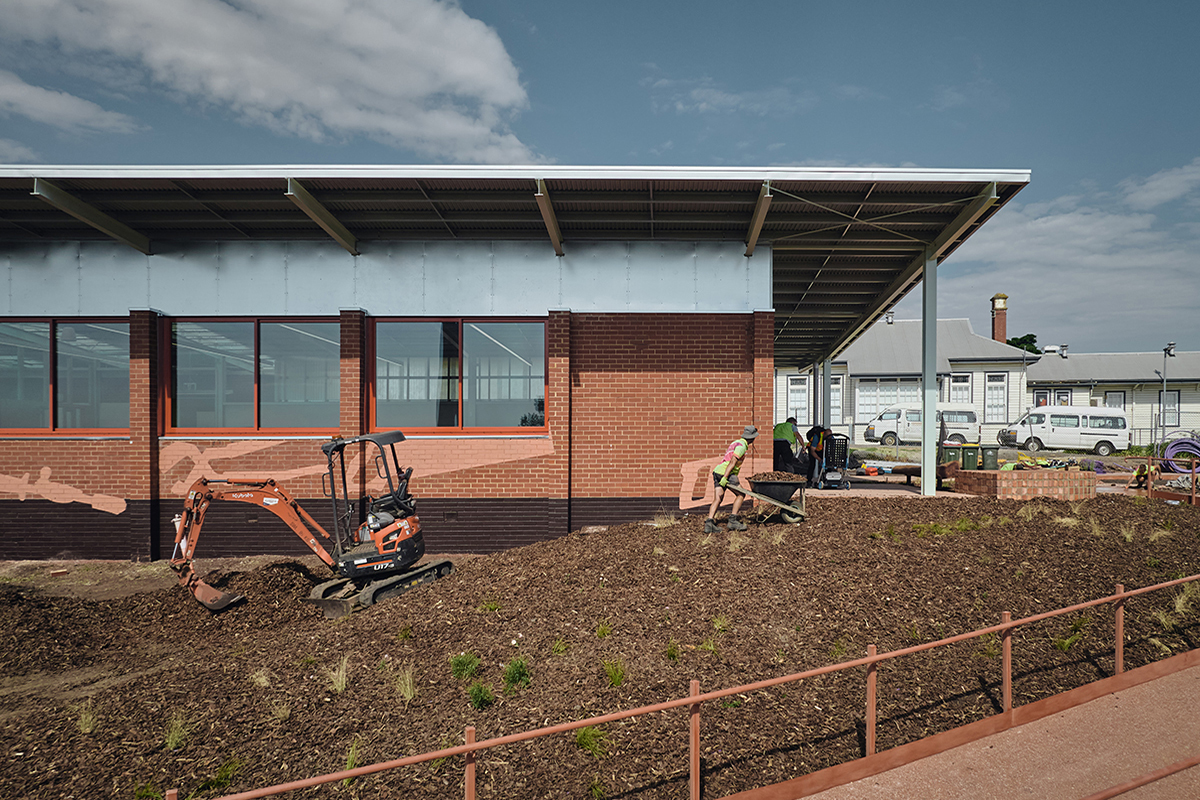
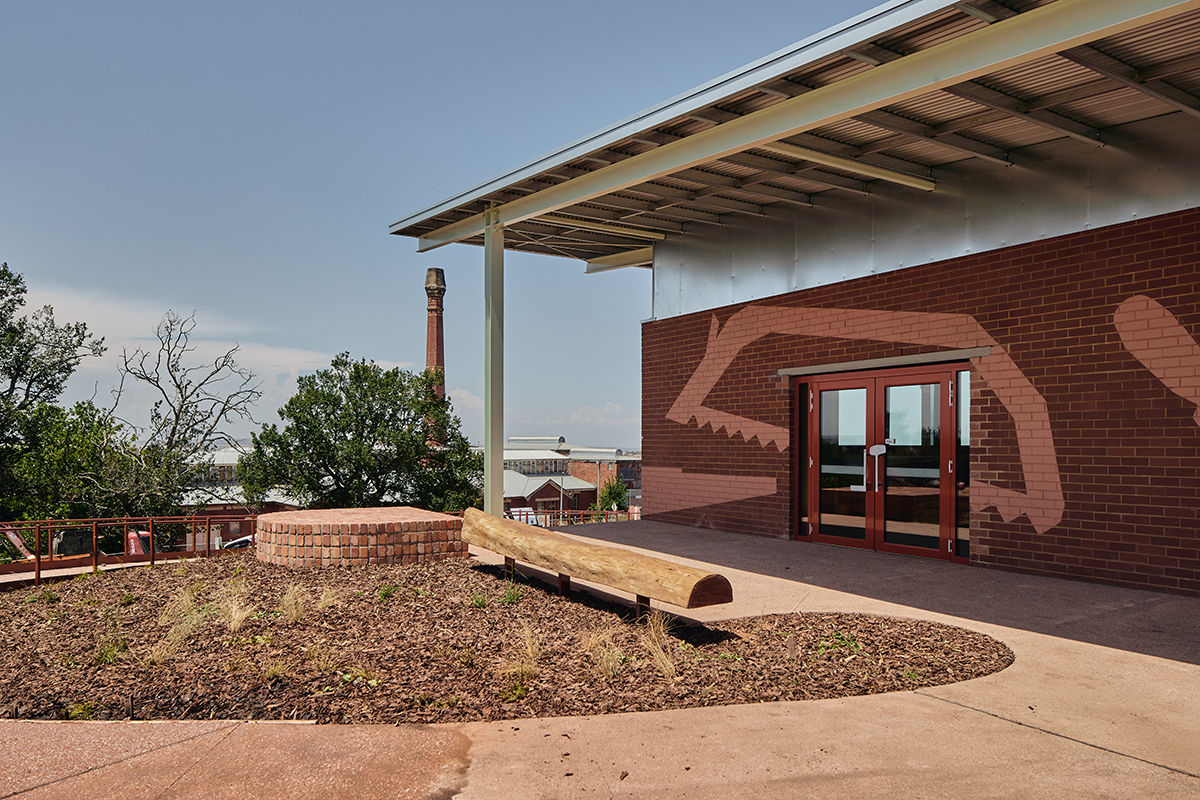
A new roof forms the predominant feature on this simple brick building adorned with enlarged tools giving a hint of what is inside. A landscape in construction evolves...
Sunbury, Victoria
Wurundjeri Woi Wurrung people of the Kulin nation
Hume City Council
2026
Complete
Woodwork Workshop, Maker Space, Community, Landscape
180 m2 / 1 900 sf
Openwork
Peter Bennetts
Sunbury, Victoria
Wurundjeri Woi Wurrung people of the Kulin nation
Hume City Council
2026
Complete
Woodwork Workshop, Maker Space, Community, Landscape
180 m2 / 1 900 sf
Openwork
Peter Bennetts
The Sunbury Community Arts Worker’s Shed project forms part of the larger Jacksons Hill, Sunbury Community Arts & Cultural Precinct. Sunbury lies 35km north of Melbourne, a peri-urban site positioned at the transition between metropolitan Melbourne and regional Victoria. Its character is shaped by agricultural landscapes, light industry, and a strong connection to natural systems that frame the township.
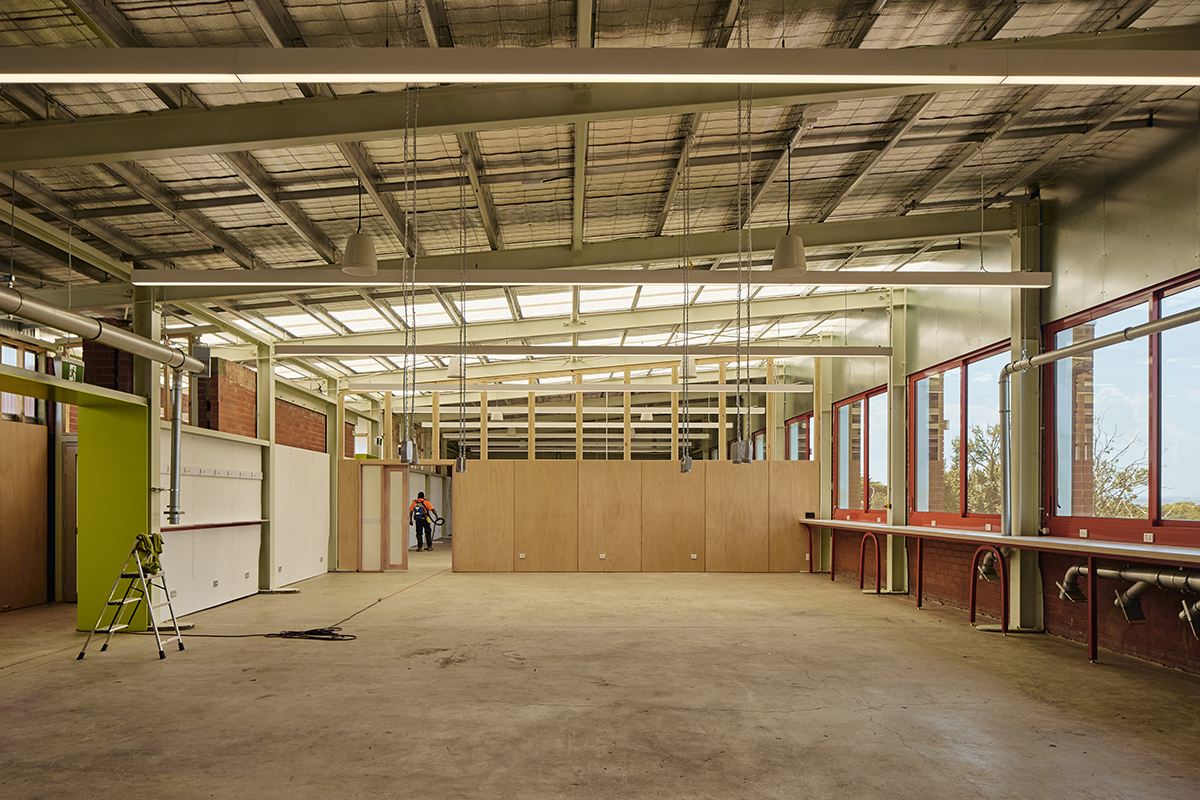
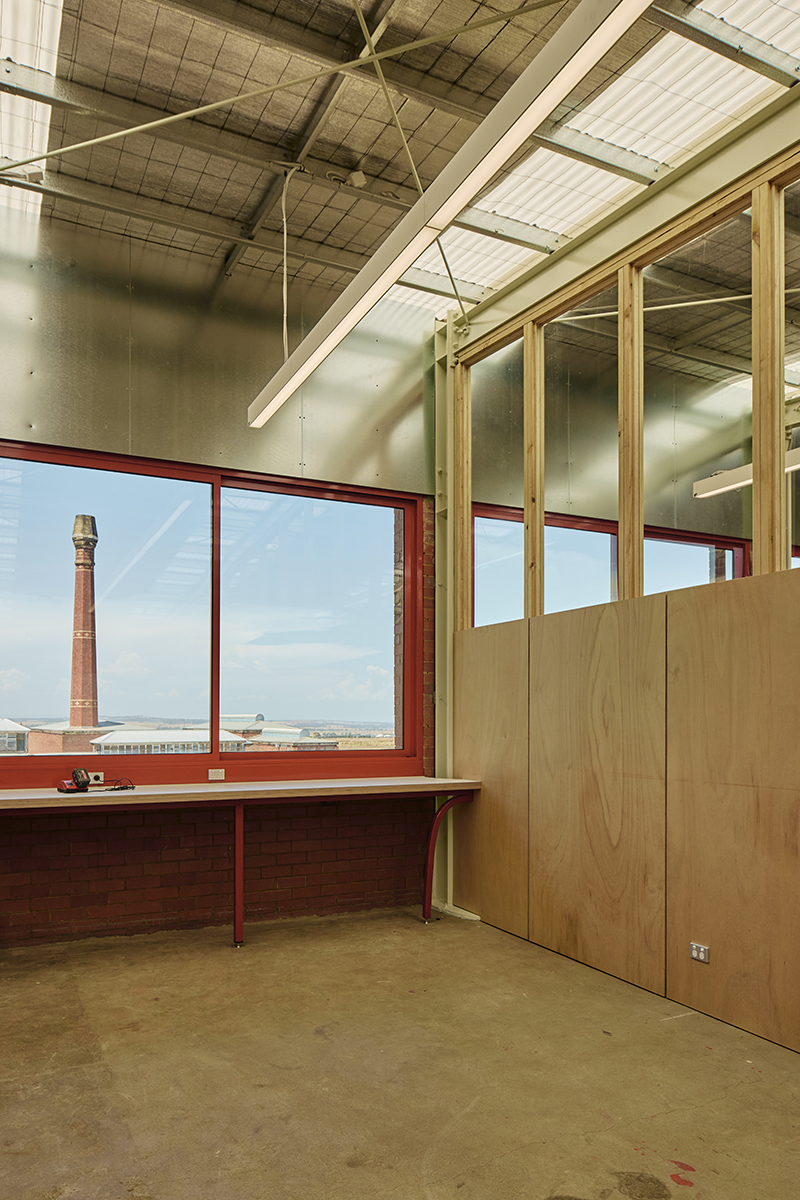
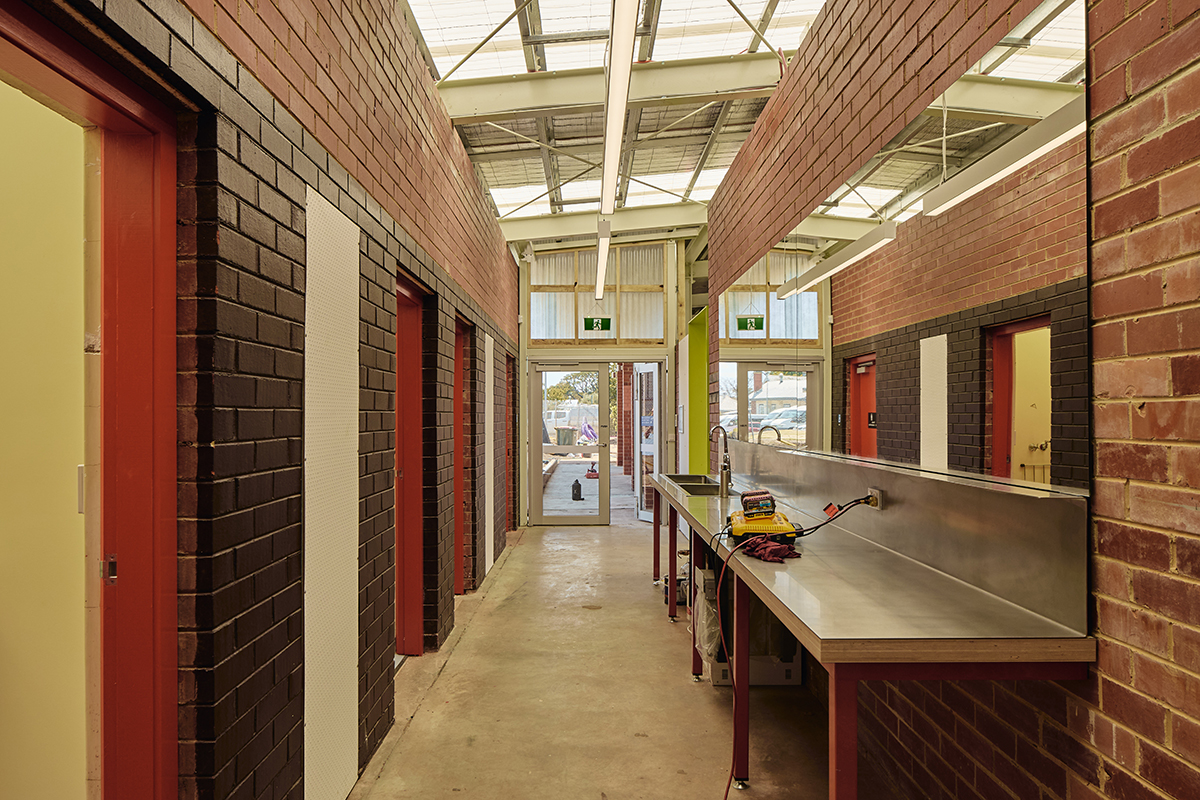
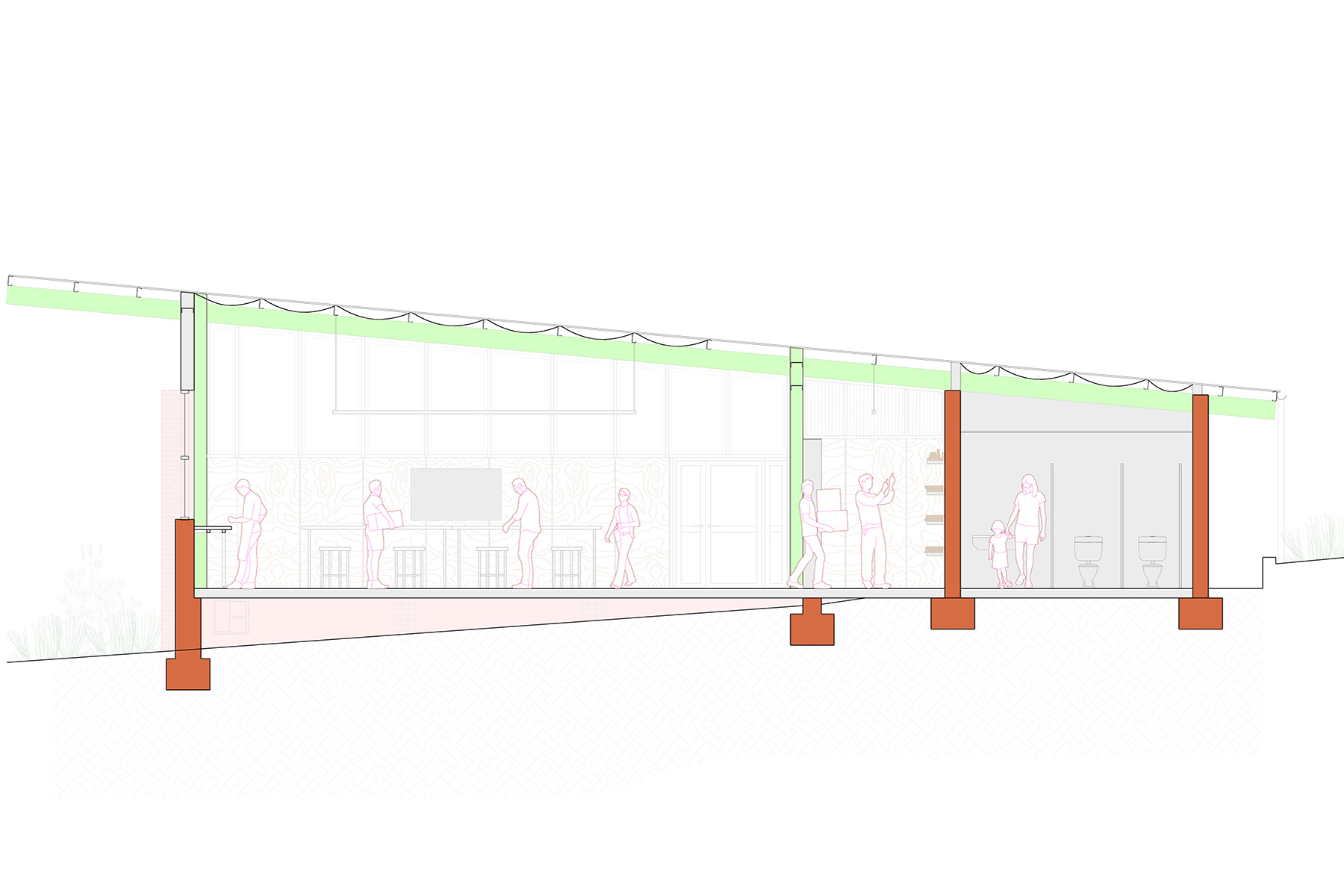
Central to the site’s identity is its former life as the Sunbury Asylum, a 19th-century mental health institution. This difficult history sits alongside today’s ambitions for creativity, community and care. The Worker’s Shed project includes the adaptive reuse of an under-utilised 1960’s ‘out-building’. The adapted structure provides the community with a new place to learn and develop their woodwork skills in a range of ‘clean’ and ‘dirty’ workshop environments.
The vision of the Sunbury Community Arts and Cultural Precinct is to sustainably develop a destination that preserves and celebrates Sunbury’s significant cultural heritage while supporting arts, community, cultural, social and learning activities that are connected, creative, vibrant and inclusive.
Read More
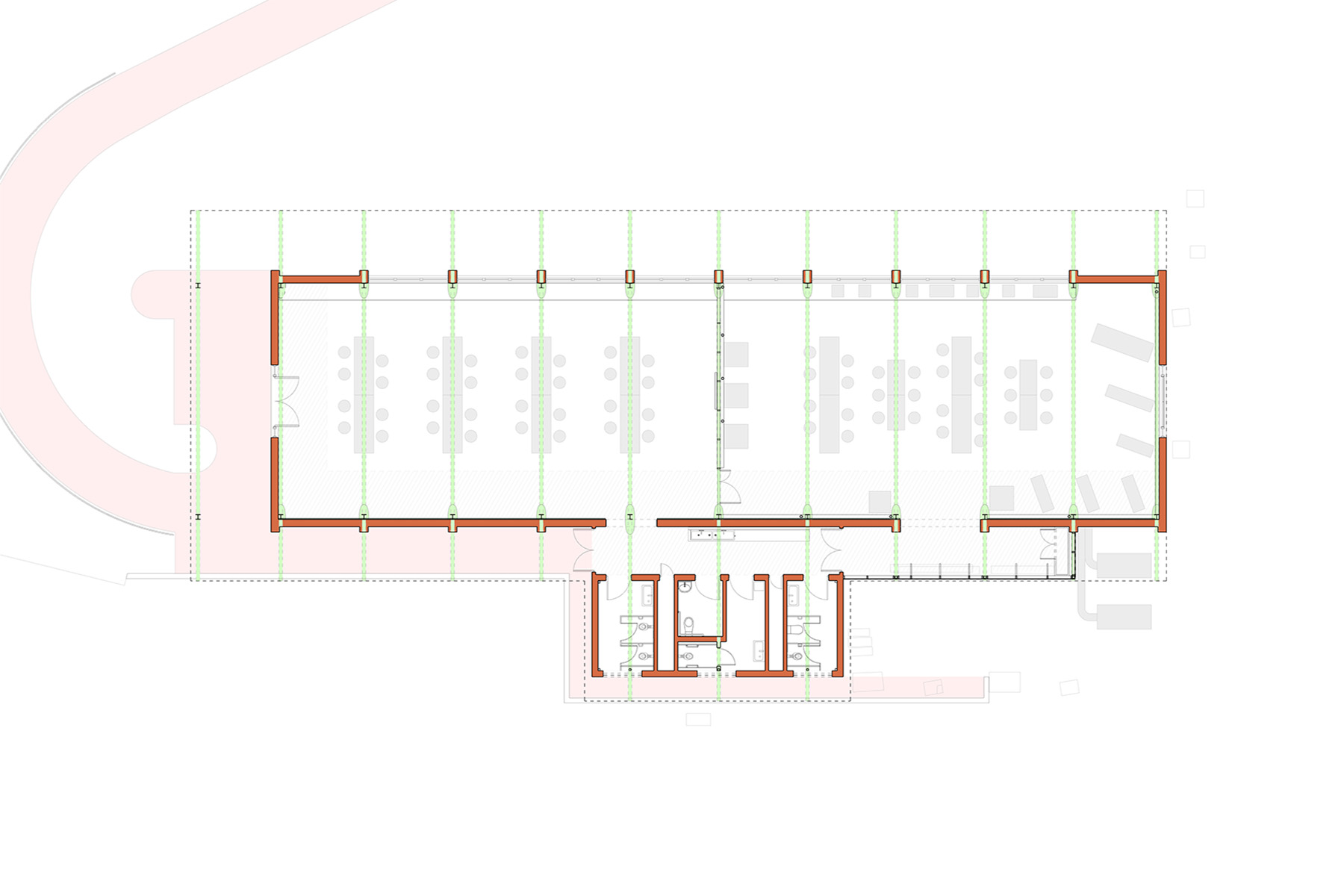
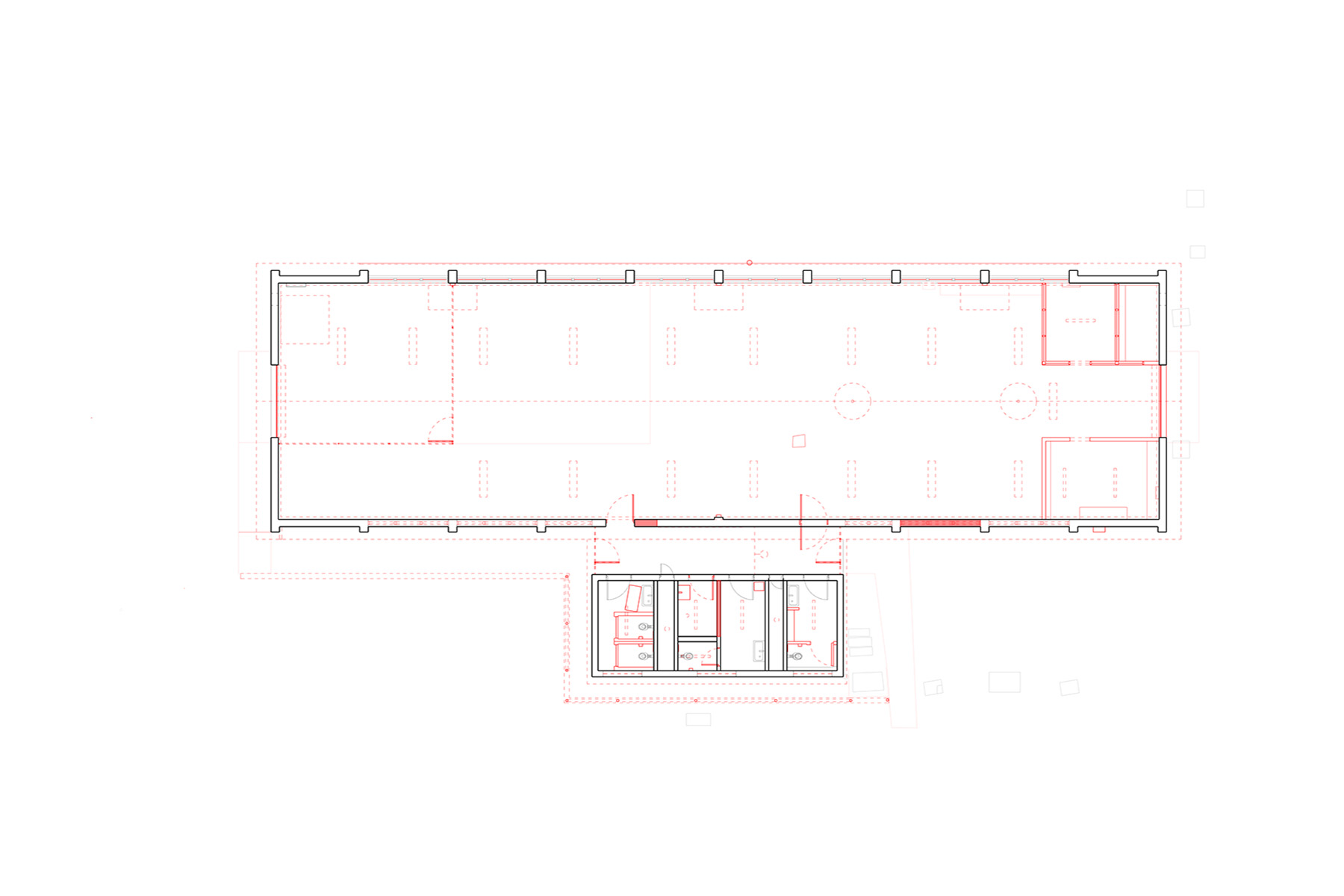
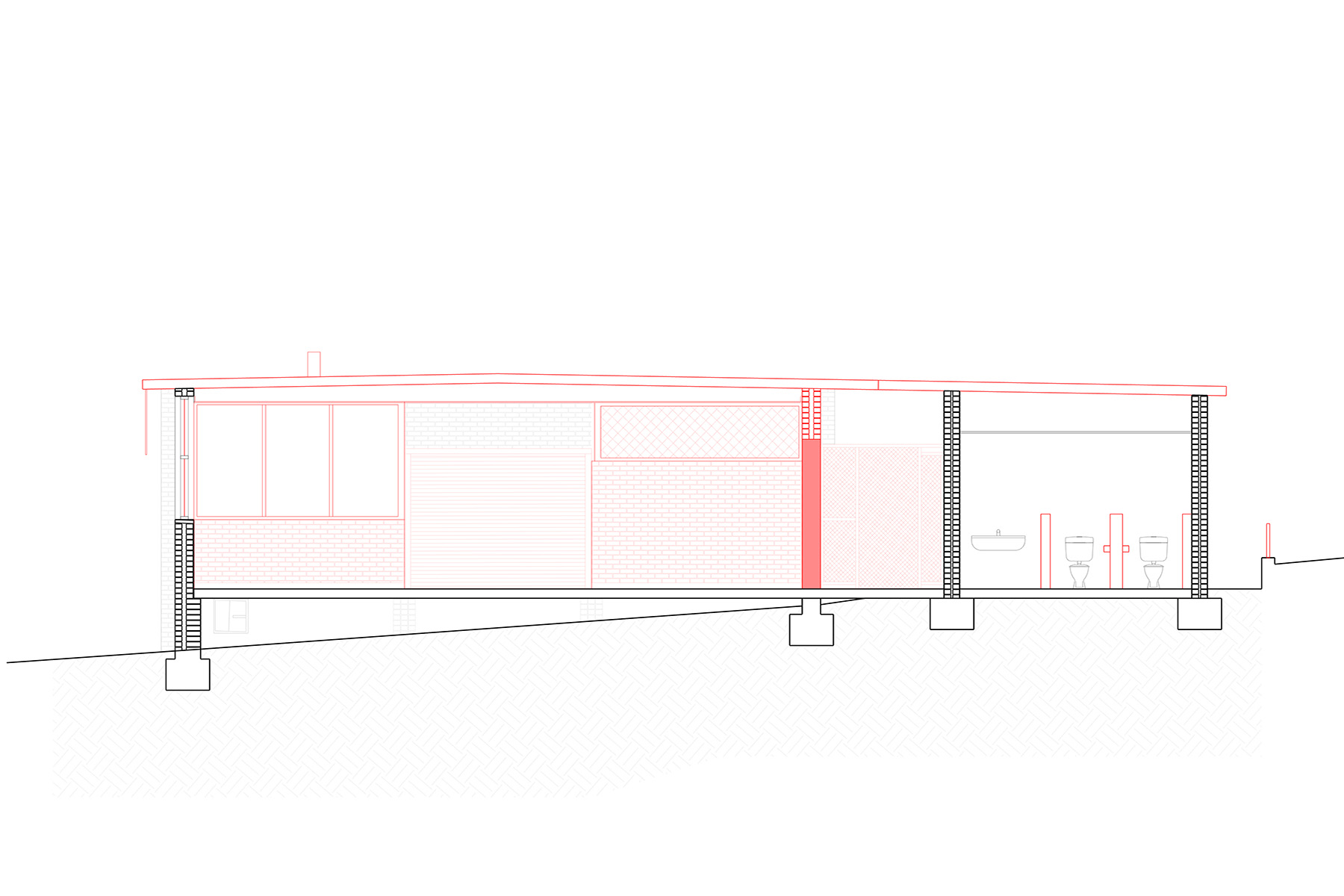
To bring the original building up to code, a new steel portal frame is inserted to brace the existing brick perimeter walls and to pick-up a new metal roof. The roof forms part of a water collection strategy, enabling re-use and recycle throughout the building and landscape.
Visitors arrive via an undercover porch from the north or via a sweeping ramp from south. The porch facilitates loading and unloading of timber deliveries, large community events, workshop demonstrations, lunchtime BBQ’s and mid-morning coffee breaks.
Buildings such as these are plenty, and often demolished to make way for more novel forms of architecture - this is an example of an alternative strategy, one that minimises carbon footprint and places value in the existing humble enclosure. Smaller modifications accumulate to significantly upgrade the building and breathe new life into this hilltop stalwart.
Read Less
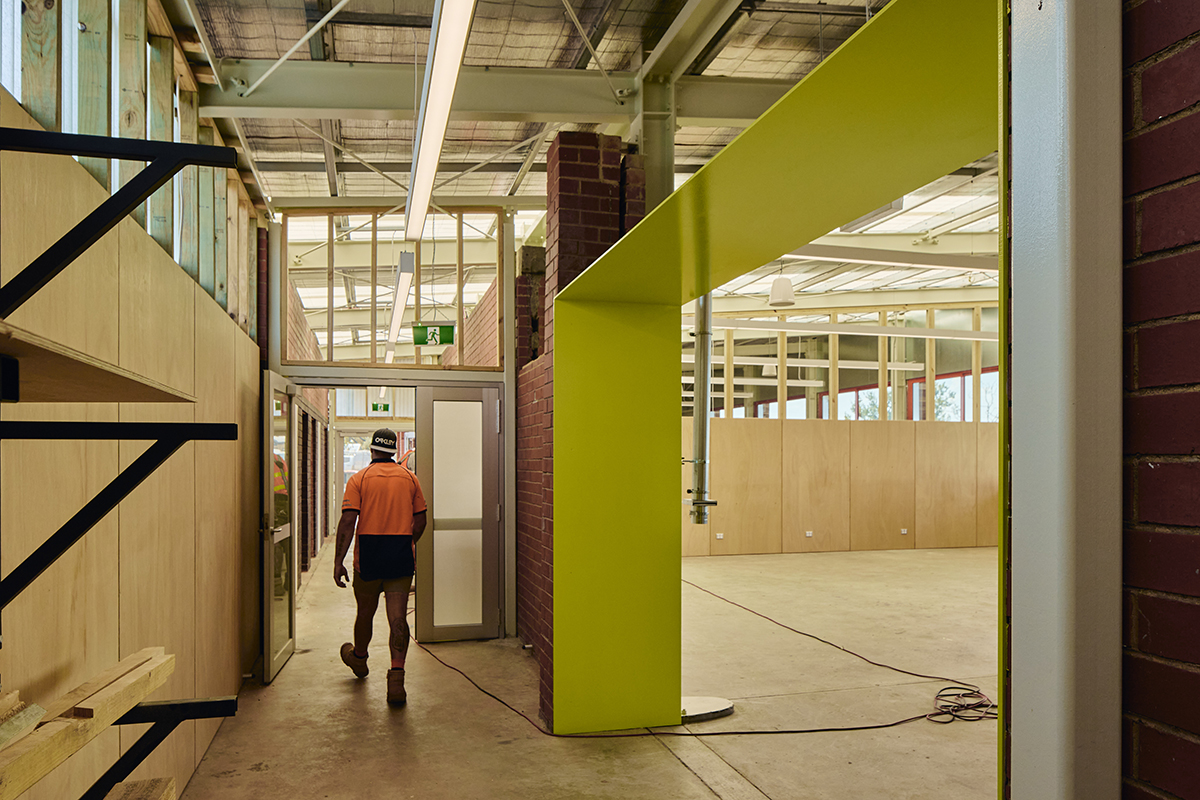 Insertions are carefully arranged to give the once open space some delineation and functional specificity.